Personal Trainer or Self Workout: What Should Beginners Choose?
Choose coaching, independent workouts or a hybrid arrangement by the help you need, with qualification checks, clinical boundaries and clear extra-cost questions.
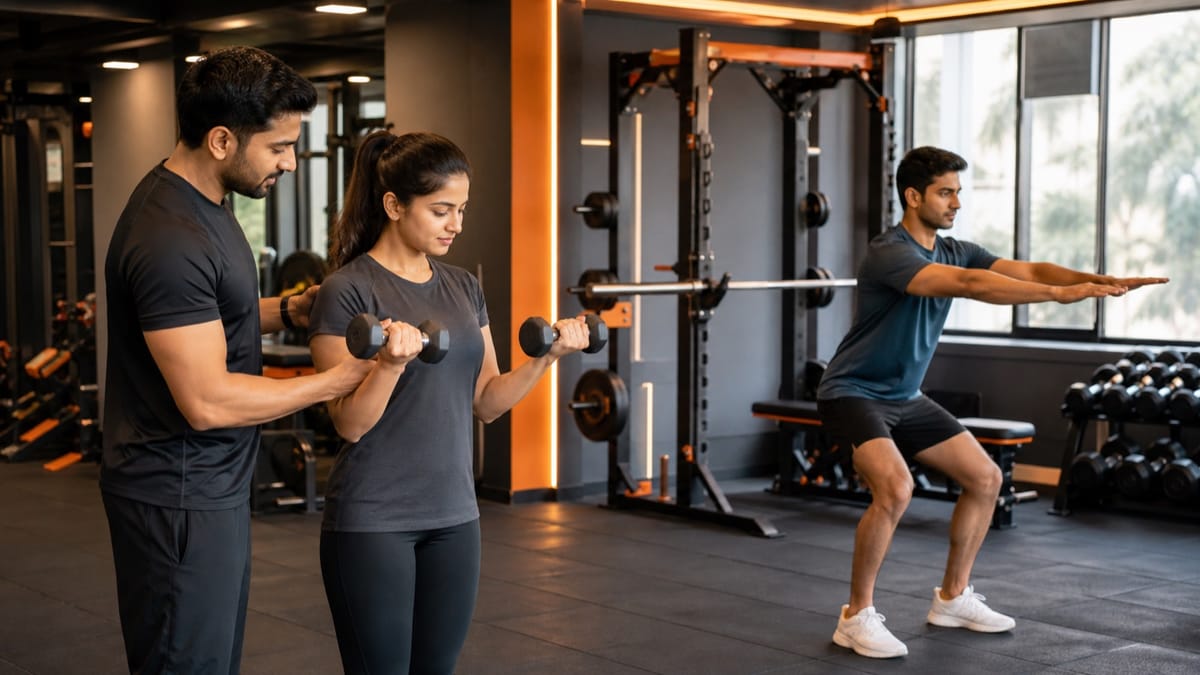
A personal trainer may be useful when you need instruction, a suitable exercise plan or individual feedback. Independent workouts can be an option when you understand your plan and equipment and know when to ask for help. A hybrid arrangement can combine initial instruction with later independent sessions.
If pain, injury or a medical condition is the reason you need help, start with an appropriately qualified clinician or physiotherapist. A fitness qualification alone is not authority to diagnose or treat those problems. For example, ACE's professional scope guidance excludes diagnosis, treatment and rehabilitation from ordinary trainer practice. This is a professional boundary, not a claim about any particular gym's staff.
Identify the support you are buying
| Your question | Support to investigate | Check before paying |
|---|---|---|
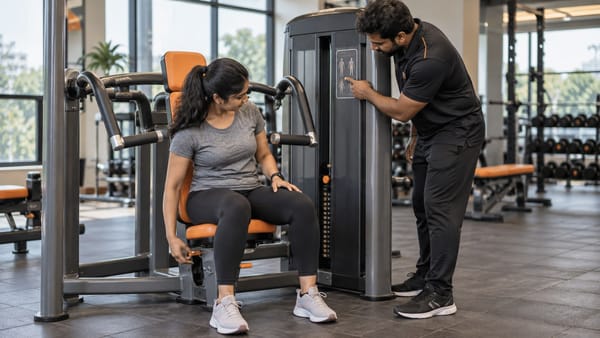
| How do I adjust this equipment? | Gym induction or equipment instruction | Who provides it, when, and whether it is included |
| How should I organise my exercise? | A qualified trainer who can assess your starting point and explain a plan | Whether you receive a plan you understand and can use between appointments |
| Am I performing a movement as intended? | Individual technique feedback | Relevant training, attention and a clear explanation of changes |
| Why does this hurt? | Clinical assessment where appropriate | A referral rather than a promise that harder training will fix it |
When individual coaching may be worth the cost
You may want someone to explain exercise choices, observe your technique, adapt a session to equipment availability and help organise a realistic schedule. Define those needs before comparing prices. A trainer who provides exactly that support may be more useful than a larger package with unclear contents.
Mayo Clinic recommends suitable specialist instruction when starting weight training. That supports learning technique; it does not establish that every beginner needs permanent one-to-one supervision or that any trainer is automatically competent.
When independent workouts may fit
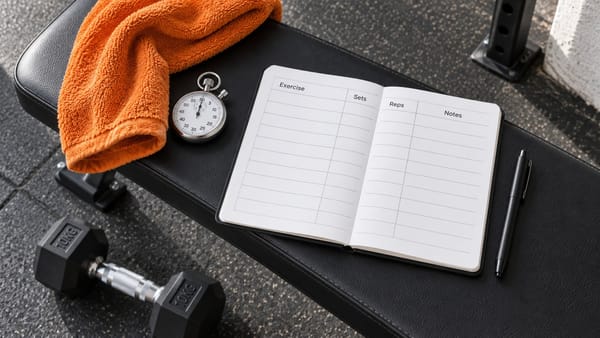
Independent does not mean guessing. Before choosing this arrangement, ask whether you can explain your plan, adjust the equipment after instruction and recognise when a task is outside your current knowledge. Keep a note of unanswered questions instead of copying the person next to you.
A staff induction may help with venue rules and equipment, but do not assume it includes programming or continuous supervision. Machines and free weights both require appropriate use. The beginner strength-gym guide focuses on equipment and support to inspect.
Check qualifications and working style
- Ask for the full qualification name, awarding organisation and a way to verify that it is current.
- Ask about experience teaching beginners with needs relevant to yours; a social-media following is not evidence of competence.
- Ask how health concerns are screened and when the trainer refers someone to a clinician.
- Ask how sessions are adapted when you do not understand a movement or a piece of equipment is unavailable.
- Ask about emergency procedures, cancellation terms and who covers an appointment if the trainer is absent.
During an introductory conversation or separately arranged paid session, notice whether the trainer listens, explains and respects boundaries. Do not use exhaustion or soreness as the purchase test. Useful feedback is something you can understand, not just a command to work harder.
The hybrid option
You do not have to choose between coaching every visit and never asking for help. An agreed block of instruction followed by independent practice and occasional check-ins is one arrangement to discuss. There is no universal number of sessions after which someone should be independent.
Ask what you take away: a written plan, equipment settings, explanations and a route for follow-up questions. Also ask what remains outside the service. Specific nutrition treatment, injury rehabilitation and mental-health care require appropriate professional qualifications.
Separate gym access from personal training
Fit Square sessions provide eligible gym access, not an automatic personal-training package. A staff profile or trainer name on a gym page does not establish that their time is included. Confirm the service, price, duration, cancellation conditions and provider before paying separately.
Use the gym directory and Fit Square app to find a venue that fits your route. Fit Square packs start at 30 prepaid sessions and do not offer a standalone one-workout trial. A gym or trainer may independently offer an introductory visit; check its terms directly.
Once support and venue are clear, the first-month planning guide helps you review what is working without automatically increasing training or spending.